EPISODE 04 · WINE TALKS · ELIPACK PODCAST
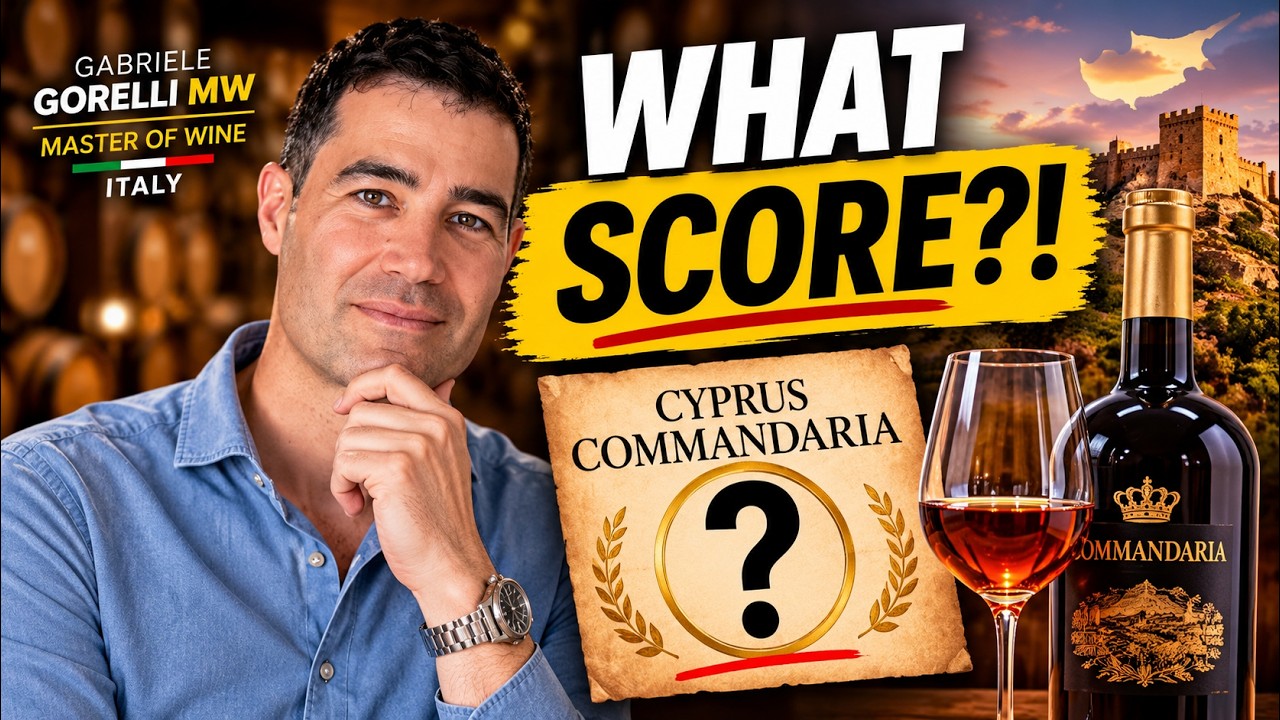
Gabriele Gorelli: Italy's First Master of Wine Discovers Cyprus
A conversation with Gabriele Gorelli MW, Italy's first Master of Wine
🍇 Montalcino, Tuscany
🎓 Master of Wine since 2021
🎙️ Episode 4
SECURE PAYMENTS & FAST DELIVERY AT OUR E-SHOP
Nov
Welcome to the fourth episode of Wine Talks, the Elipack Podcast series with the people shaping the world of wine. This time the guest comes from abroad: Gabriele Gorelli MW, the first Italian ever to earn the Master of Wine title, on his first visit to Cyprus.
Born in Montalcino, the home of Brunello, Gabriele came to the island as brand ambassador for Vinventions, the wine closures company, for a Taste the Difference seminar hosted by Elipack in front of some 80 wine professionals. Between winery visits he sat down with us to talk about his journey, branding and what he tasted in Cypriot glasses.
A conversation about the road to the Master of Wine title, storytelling, social media, native grapes, Commandaria, climate change and a bottle from 1892.
"Up to yesterday, Commandaria was pretty much everything I knew about Cyprus." Two winery visits later, Gabriele Gorelli had changed his mind about the island's wines and found the message he believes Cyprus should carry to the world: native varieties, with a character no other country can copy. It is the same lesson he draws from his own Montalcino, where wine is much more than a beverage.
Before you watch the full interview, here is what this episode covers, from a grandfather's vineyard of less than half a hectare to the two letters that follow his name, and a solid eight out of ten for Commandaria.
It started with family. Gabriele's grandfather had a very small vineyard of Brunello, less than half a hectare, and as a little boy he used to go there with his parents and grandparents. "This was a great connection to the land to me."
But he chose not to go into production. He saw that growers and wineries had not developed the other side of the job: communicating what they do, how they strive for quality and how they express their terroir. So instead of agronomy, viticulture or oenology, he studied languages: French, English and some German. "Sooner or later I will need languages anyway."
It still pays off on every trip. "There is a nuance you cannot get if you are not speaking correctly the language of the people you are interacting with." Talk to a French grower in English, he says, and you rarely grasp the real thing. Talk to him in French and he feels you are one of them.
Montalcino itself is his first lesson in branding. Sangiovese is the most widely planted black grape in Italy, "but only Montalcino Sangiovese becomes Brunello. That is already a great marketing lesson from back in the day." Fifty or sixty years ago it was one of the poorest municipalities around, and wine gave people confidence, work and a new commitment. "Wine is much more than a beverage. It is culture, it is social connection, and it creates society."
The Master of Wine title began in London almost 75 years ago and is, in Gabriele's words, the most respected and the highest level of certification in the world of wine. He was already a sommelier and an official taster for the Italian sommelier association when he asked himself what came next:
Did he face challenges? "Every day. Every single day." And the two colleagues who shared the road with him: "We are friends is probably reductive. We are brothers at the moment."
Many people keep doing the same job once they earn the title, only with more standing. Gabriele's case was different. He had started in advertising and communication, running his own agency from a very young age, and since joining the programme he had also been consulting, connecting offer and demand, trading wines and creating products.
After February 2021 there was no time for both. He sold his shares in the agency to focus on strategic consulting and on promoting Italian, and more widely Mediterranean, wine around the world. "It was bold, it was fast. You change your life completely: new people, new shareholders, totally new clients. But it was the right decision."
Today his job is, in his own words, to travel and taste. That is how he sees what wineries in Italy, Greece and Cyprus have in common: a Mediterranean wine concept that was recently presented for the first time at Perelada winery in Girona, Spain. "You find yourself dealing with wineries that are sharing the same soul, the same spirit."
Is social media a strong advantage for wineries? "It just needs to be done," Gabriele says, even if he describes himself as "a social guy without the media." Social platforms now work like a search engine, he explains: they open new worlds and show you things you did not even know you liked. But they are a tool, not a goal.
"The opinion leaders will arrive if you are doing something interesting. If you are not interesting in the first place, you can involve a lot of people, but it should not be done."
Gabriele's link with Cyprus goes back ten years, to his mentor in the Master of Wine programme: Demetri Walters MW, the first Master of Wine of Cypriot origin, who lives in London. Through him he got to know Commandaria, and until this trip that was almost all he knew about the island.
After visiting wineries with Elipack, his verdict is clear: "The strength of Cyprus is native varieties, both in white and in red." In the whites he finds strong character, with a maritime vitality and a tension that comes from the mountains. "It is a great combination, and on the market it is a striking message."
The reds surprised him too. In many Mediterranean areas red varieties are treated as second class, not because of the grapes themselves but because the technology that transformed white wines did not reach the reds in the same way. After a tasting of native reds at Tsiakkas Winery, he believes that if they are handled in a protective way, without too much oxygen from the start of vinification, "you get a lot of character, and you can tell a lot about these wines around the world."
Does Cypriot wine have room to grow abroad? "For sure." From what he understood, few of the wineries he visited export more than a fifth of their production. In Italy the picture is almost reversed: about a quarter stays in the domestic market and the rest is exported.
That means Cyprus remains a strong destination for people who come and taste the wines where they are born. But it also needs to be present abroad, "because people should not forget about you." His suggestion is a few strongholds in the best places around the world where Xynisteri is poured.
"It will not taste as good as drinking Xynisteri in Cyprus, because tasting is much more than just a glass. But you need to be present, and remind them of an experience more than a wine itself."
What is the most expensive bottle he has ever opened? It was also one of the oldest. Two years ago in Modena, at Massimo Bottura's three-Michelin-star restaurant, Gabriele was tasting a menu for an event with the team of Château d'Yquem. They tasted several vintages, going back to 1892, in a bottle that came directly from the château and had been recorked a few years earlier.
The colour was darker than the luminous amber Yquem is known for, closer to the coffee reflections of an old Commandaria. The taste was another story.
"It was still super alive. So vital, so vibrant, amazing, incredible. I wish I could have another sip of that wine."
The episode closes with a quick game. Answering without explaining was, by his own admission, the hard part.
Born in Montalcino, Tuscany. Italy's first Master of Wine, a title he earned in February 2021. He works in strategic consulting for wineries and has been brand ambassador for Vinventions since 2022.
📍 Recorded in Cyprus, during his first visit to the island
From grape reception to bottling, the Elipack team is with you every step of the way, with machinery, bottles, closures, barrels and 24/7 service.
🎙️ Elipack Podcast · Wine Talks, Episode 04 · Guest: Gabriele Gorelli MW, Italy's first Master of Wine · Recorded in Cyprus · Watch on YouTube