30
Mar
The Future of Wine: Low-Alcohol Trends, Innovative Packaging & the New Generation of Wine Drinkers
A Wine Industry in Transformation
The global wine landscape is undergoing a profound shift. Consumers are no longer simply choosing between red or white, they are demanding healthier options, sustainable packaging, and authentic brand stories. From the rise of low-alcohol and no-alcohol wines to smart labels powered by NFC technology, 2026 marks a turning point for an industry that has relied on tradition for centuries. At the heart of this transformation are Millennials and Generation Z, whose values around wellness, sustainability, and digital engagement are rewriting the rules of wine production, marketing, and consumption.
This article explores three interconnected forces shaping the future of wine: the surging demand for low-alcohol products, the wave of packaging innovation sweeping through the industry, and the generational shift in how wine is discovered, purchased, and enjoyed. Together, these trends present both challenges and extraordinary opportunities for producers, importers, and retailers alike.
According to the OIV’s 2025 global estimates, worldwide wine production reached approximately 232 million hectolitres, a 3% increase over the historically low 2024 harvest but still 7% below the five-year average. As production normalises, the competitive landscape intensifies, making innovation and consumer relevance more important than ever.
Key Market Statistics
Global NoLo market projection by 2026
CAGR for non-alcoholic wine to 2035
Of NoLo growth driven by zero-alcohol products
Of wine drinkers actively moderating alcohol intake
🔬 Winemaking Innovations Powering the Trend
Producing a wine with reduced alcohol while preserving its aromatic complexity, body, and mouthfeel is no simple task. Modern winemakers are leveraging a range of advanced technologies to meet this challenge:
Controlled Fermentation
By carefully managing yeast activity, temperature, and sugar levels during fermentation, winemakers can naturally limit alcohol production while retaining the grape’s varietal character and fruit-forward profile.
Spinning Cone Technology
This technique uses centrifugal force and vacuum conditions to gently separate volatile aroma compounds from the wine before removing alcohol. The aromas are then recombined with the dealcoholised base, delivering remarkable flavour fidelity.
Vacuum Distillation
Operating under reduced pressure, this method evaporates alcohol at significantly lower temperatures than conventional distillation, preserving delicate flavour compounds that would be destroyed by heat.
Reverse Osmosis
A membrane-based filtration process that selectively removes ethanol molecules while retaining the wine’s colour, tannins, and aromatic profile. Increasingly popular among premium producers seeking quality at lower ABV.

Key Packaging Trends
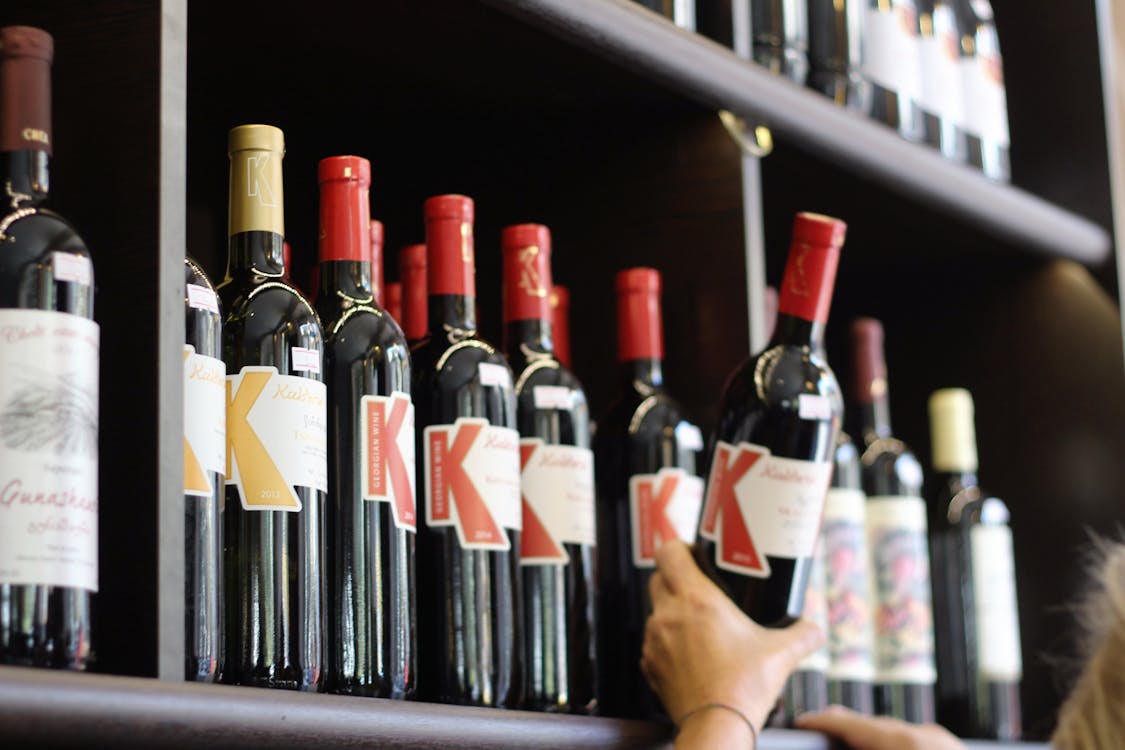
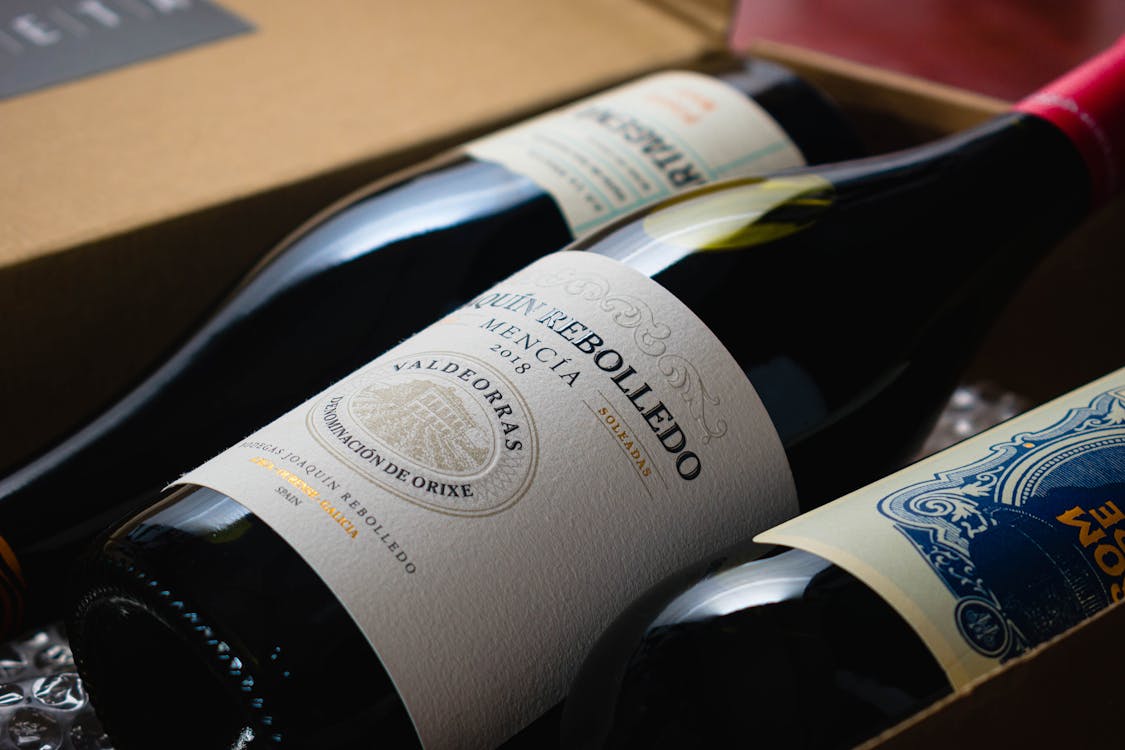
Glass remains the preferred packaging material for wine, combining elegance, inertness, and full recyclability. A growing trend toward lightweight glass is reducing the carbon footprint of transport and production without compromising protection or shelf presence. Premium producers continue to invest in distinctive bottle shapes and embossed designs as key brand differentiators.
Sustainability is no longer optional. Alternatives such as recycled glass, biodegradable closures, and paper-based packaging are moving from experimental to mainstream. Bag-in-box formats are gaining traction for their lower carbon footprint, while plant-based closures like Nomacorc’s PlantCorc™ technology offer certified renewable materials with zero or negative carbon footprints.
Technology is transforming the bottle into an interactive experience. QR codes, NFC-enabled labels, and augmented reality features now link consumers to vineyard tours, food pairing suggestions, and winemaker stories. According to recent surveys, one in four Gen Z and Millennial consumers say interactive packaging is a key purchase driver.
The rise of single-serve wine packages, including cans, Tetra Paks, and 250ml formats, reflects a shift toward convenience and portion control. Brands are also creating custom packaging for gift boxes, seasonal releases, and wine club memberships, turning the unboxing experience into a brand storytelling moment.
Wine Packaging Market Snapshot - 2025 vs 2033
Sources: IWSR, SkyQuest, Vinetur. Figures are projections based on published industry analyses.

📊 Consumer Preferences & Behaviour
🏋️ Health & Moderation
70% of Millennials and 75% of Gen Z report actively reducing their alcohol consumption. Among Gen Z moderators, 71% cite health and wellness as the primary reason, while 56% point to price sensitivity. This has fuelled demand for low-alcohol wines, non-alcoholic alternatives, and smaller-format packaging.
🌿 Sustainability First
Gen Z actively seeks products aligned with their ethical, social, and environmental values. Eco-friendly packaging, organic certifications, and transparent supply chains are no longer bonuses, they are expected. Brands that demonstrate genuine sustainability commitments earn loyalty and word-of-mouth advocacy.
📱 Digital Discovery
More than 40% of Millennial and Gen Z consumers rely on recommendations from friends and family, followed by social media (30%). Influencer reviews, Instagram stories, and interactive content play a central role in wine discovery. The era of the 100-point score giving way to authenticity, social currency, and personal experience.
💰 Value & Format
Both generations favour thoughtfully priced bottles under $15–$20 and are more likely to purchase wine in non-traditional formats like cans, half-bottles, and 250ml serves. For larger social gatherings, magnums are popular for their visual impact and shareability.
Generational Wine Consumption at a Glance
Sources: Wine Market Council, NielsenIQ, IWSR BevTrac Study 2025.
Ready to Future-Proof Your Wine Packaging?
From sustainable closures to innovative bottle solutions, the Elipack team can help you align your packaging with the expectations of today’s wine consumers.
Sources: IWSR Drinks Market Analysis · OIV · Wine Intelligence · Wine Market Council
Share this post
RELATED
Posts