Sources: Wine Spectator · Wine Enthusiast · OIV - International Organisation of Vine and Wine
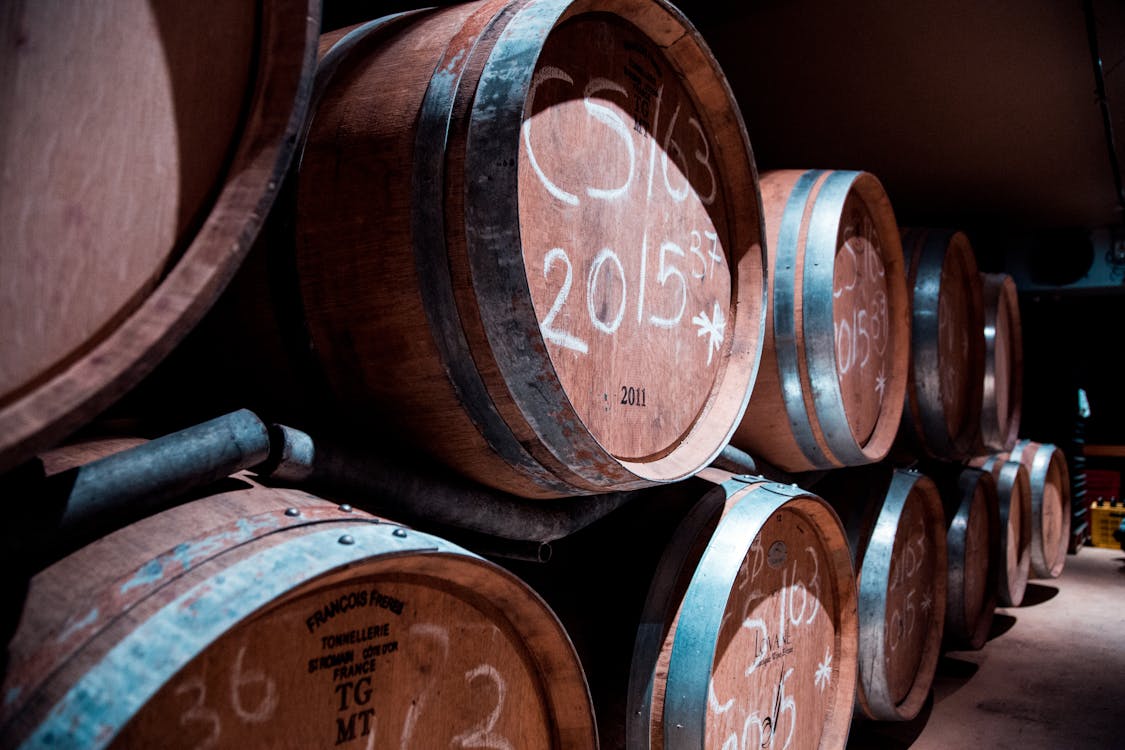
The Art & Science of Barrel Aging
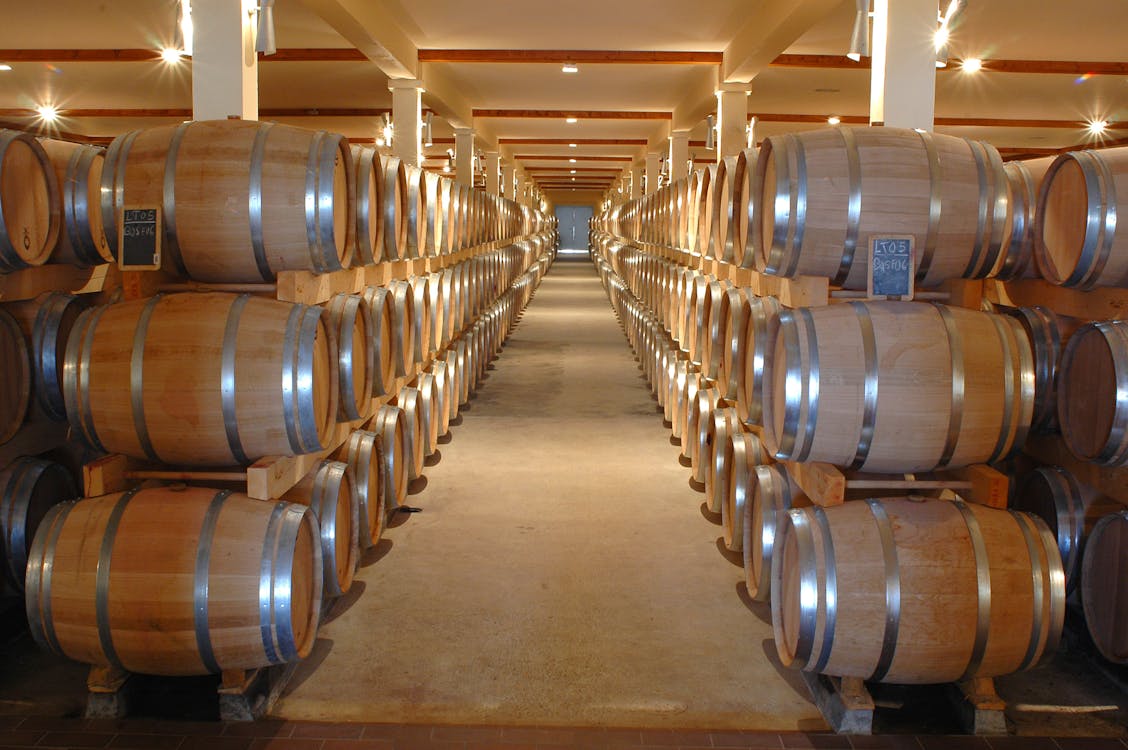
For centuries, wooden barrels have been far more than simple storage vessels. They are living instruments of transformation, quietly shaping a wine’s aroma, flavour, texture, and longevity through a complex interplay of chemistry, oxygen, and time. Whether it is the delicate vanilla whisper of French oak or the bold coconut warmth of American oak, the barrel leaves an unmistakable signature on every wine it touches. Understanding how barrels work, why different oaks produce different results, and how modern alternatives compare is essential knowledge for anyone in the wine industry.
This comprehensive guide explores five interconnected dimensions of barrel aging: the fundamental role of wooden barrels in winemaking, the key differences between French and American oak, the chemical science behind what happens inside the barrel, the growing world of alternative aging methods, and the critical impact of barrel toasting levels on the final wine.
Typical barrel aging ranges from 3 to 22 months or longer, depending on the wine style and the winemaker’s vision. The two fundamental variables are aging duration and the character of the wood itself, and within those variables lies an extraordinary range of creative possibility.
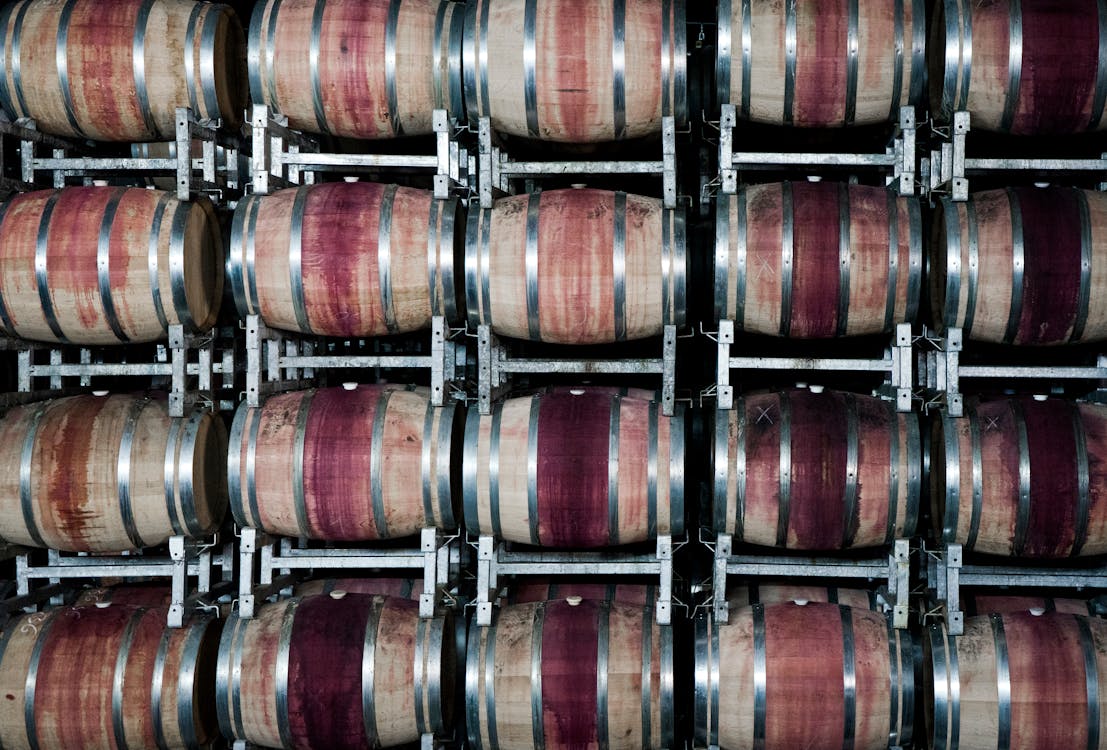
How Barrels Shape Wine
Micro-Oxygenation
Controlled oxygen through porous staves softens tannins and stabilises colour
Flavour Extraction
Vanillin, eugenol, and oak lactones impart vanilla, spice & coconut notes
Tannin Integration
Wood-derived tannins interact with wine tannins for smoother mouthfeel
Concentration
The “angel’s share” evaporation concentrates flavours and aromas
🌳 Types of Oak Barrels & Their Impact on Wine
The origin of the oak is one of the most important decisions a winemaker makes. French oak and American oak are the two dominant species, and they produce markedly different results, in flavour, texture, and the pace of aging. The key differentiator is cis-oak lactone concentration, which is significantly higher in American oak and responsible for its characteristic coconut and vanilla intensity.
🇫🇷 French Oak (Quercus petraea)
Known for its tight grain structure, French oak releases flavour compounds slowly and subtly. It imparts delicate aromas of baking spices, cinnamon, cloves, and a refined minerality. Tannins are firmer yet silkier, creating an elegant wine structure. Ideal for Pinot Noir, Chardonnay, and age-worthy Bordeaux blends. Approximate cost: ~$1,000 per barrel.
🇺🇸 American Oak (Quercus alba)
With a looser grain structure, American oak delivers bolder, more immediate flavours, pronounced vanilla, coconut, sweet spices, and a creamy texture. Wines age faster due to higher oxidation rates. Tannins are more obvious and can require extended bottle age to mellow. Best for bold reds, Rioja, and dessert wines. Approximate cost: ~$500 per barrel.
French Oak vs American Oak - Comparison

⚙️ Alternative Aging Methods: When Not Using Barrels
While traditional barrels remain the gold standard for premium wines, winemakers increasingly turn to alternatives for reasons of cost, style, efficiency, or scale. Understanding these methods, and their limitations, is essential for making informed decisions about wine production and quality.
🔩 Stainless Steel
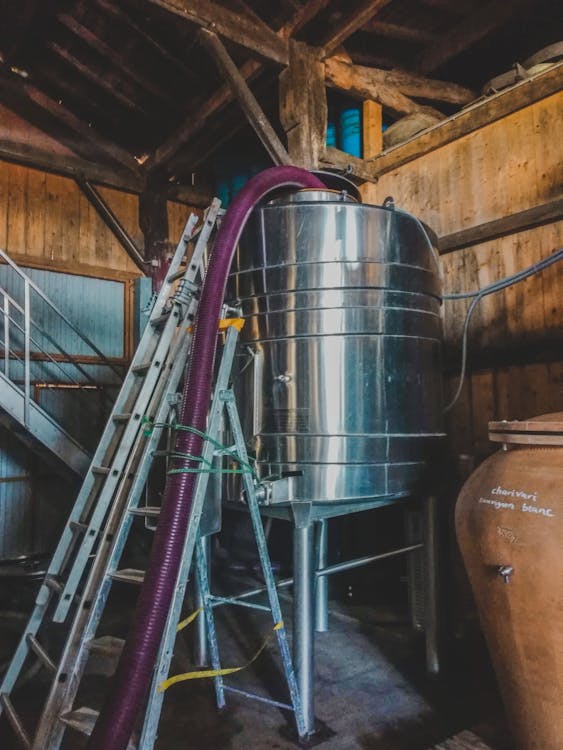
Preserves freshness and varietal purity with zero flavour contribution. Ideal for aromatic whites like Sauvignon Blanc and Riesling where fruit expression is paramount. Temperature control is precise and consistent.
🏺 Glass & Ceramic
Minimal oxygen exposure maintains wine purity. Clay amphorae (qvevri) are experiencing a renaissance in natural winemaking, offering gentle micro-oxygenation through porous walls without imparting wood flavours.
🪵 Oak Chips & Staves
Large surface area accelerates flavour extraction at a fraction of barrel cost. Useful for adding oak character to tank-aged wines. However, flavours can feel less integrated, and the method cannot replicate micro-oxygenation.
💨 Micro-Oxygenation (MOX)
Developed in 1991, this technique uses ceramic stones to inject controlled oxygen (0.75–3 cc/L) into wine. Combined with oak chips, it can approximate barrel aging. Maintains positive effects on colour density through 5+ months of bottle aging.
Barrel Aging vs Alternative Methods - Comparison
Toasting Levels Explained
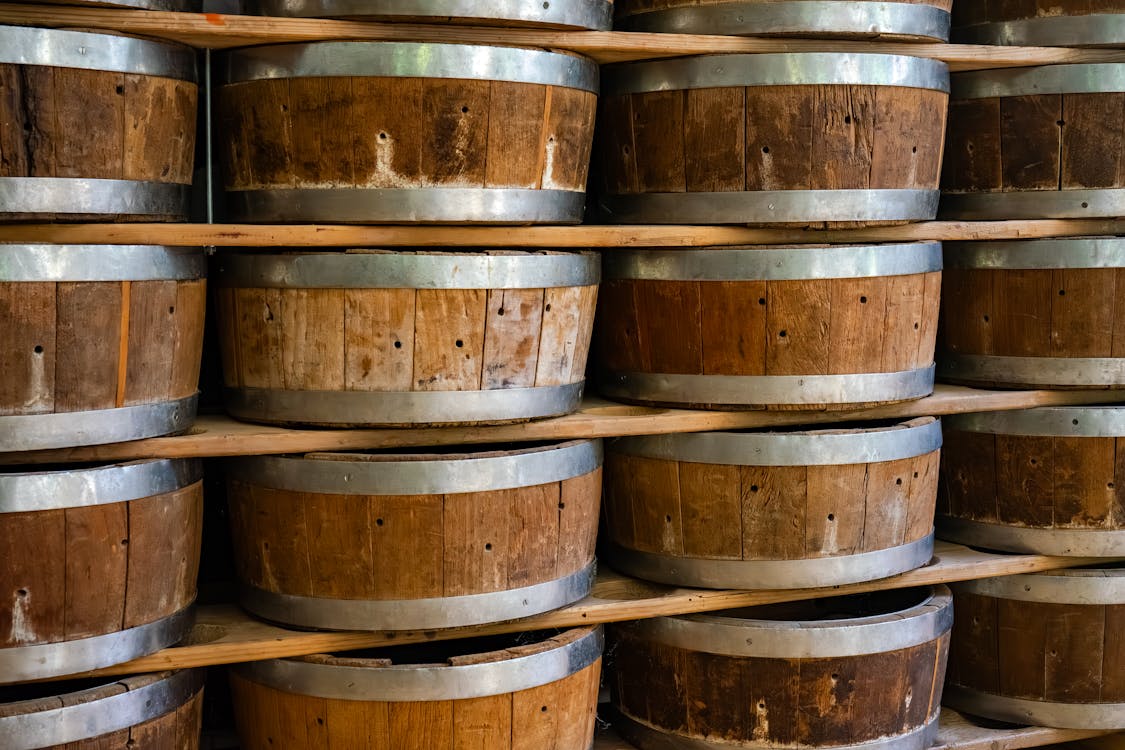
Light Toast
Preserves the barrel’s natural tannin structure and the wine’s fruit-forward character. Imparts sweet esters, subtle vanilla, and delicate holiday spices (nutmeg, clove, cinnamon). The result emphasises freshness and purity, ideal for wines where fruit expression is the priority.
Best for: delicate whites, light reds, rosé
Medium Toast
The most versatile toasting level, offering an optimal blend of oak character and natural fruit expression. Delivers more pronounced vanilla, honey, caramel, and toasty roasted nut aromas. Enhances complexity and structure while maintaining balance. The industry’s most popular choice.
Best for: Chardonnay, Pinot Noir, Bordeaux blends
Heavy Toast
Maximum flavour impact with bold, pronounced oak character. Produces espresso, butterscotch, smoke, and roasted coffee notes. Can dominate if overused, excessive heat breaks down lignin too aggressively, creating undesirable guaiacol (harsh smoky character) and volatile phenols.
Best for: full-bodied Cabernet, Syrah, bold reds
Key Flavour Compounds by Toasting Level
Sources: World Cooperage, Journal of Agricultural and Food Chemistry, OIV International Oenological Codex.

Need Expert Advice on Wine Aging & Closures?
The right closure is the final piece of the aging puzzle. Contact the Elipack team for guidance on closures that complement your barrel program and protect your wine’s journey from cellar to glass.
Sources: Wine Spectator · Wine Enthusiast · OIV · Wine Business Monthly