18

May

The Non-Alcoholic Wine Boom

Sources: Fact.MR – Non-Alcoholic Wine Market Report · WHO · OECD
MARKET INSIGHT · WELLNESS · GLOBAL TRENDS

The Non-Alcoholic Wine Boom: Inside the $8.4 Billion Market Reshaping the Industry

How Health-Conscious Consumers, Premium Dealcoholization & Sustainable Packaging Are Driving a Decade of Double-Digit Growth (2025–2035)

🥂 Zero-Proof Revolution
📦 Premium Packaging
🌍 10.4% CAGR

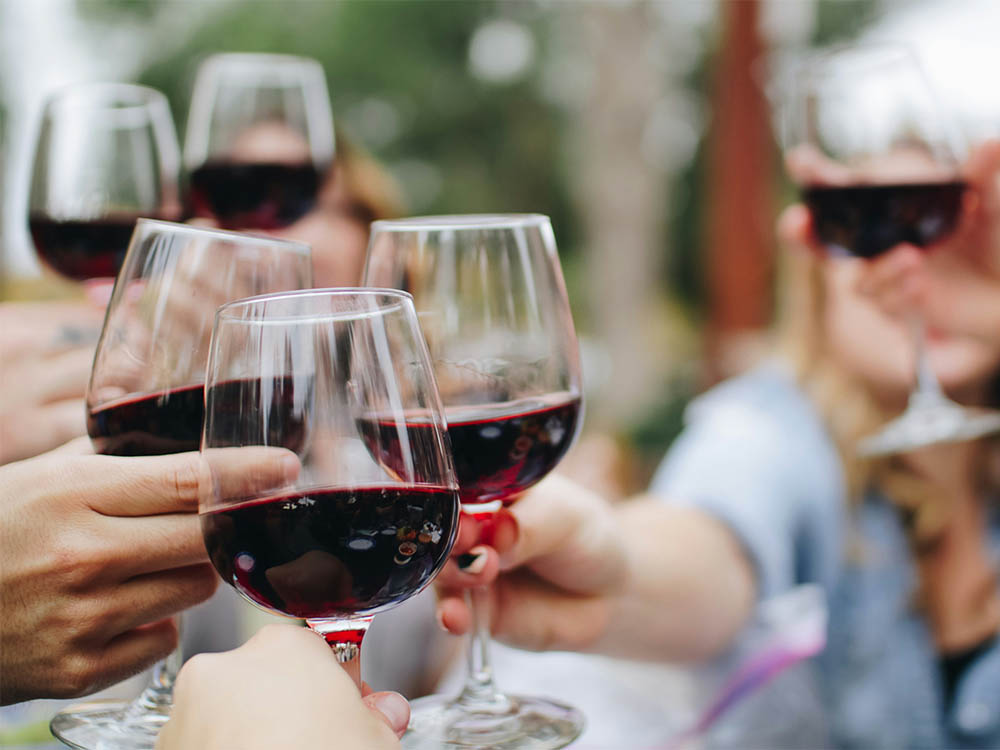
A celebratory toast with wine glasses - the rise of non-alcoholic wine

A Category Coming of Age

Non-alcoholic wine is no longer a curiosity on the edge of the drinks aisle. According to Fact.MR's 2025 industry report, the global non-alcoholic wine market was valued at USD 2.84 billion in 2025 and is projected to reach USD 8.43 billion by 2036, expanding at a compound annual growth rate of 10.4%. Driven by health-conscious consumers, advances in dealcoholization technology, and a generational rethinking of what social drinking looks like, zero-proof wine has moved from niche shelf to mainstream category.

This article distils the key findings of Fact.MR's Non-Alcoholic Wine Market 2025–2035 analysis into a working picture of where the industry is headed: the technologies powering credible alcohol-free wines, the segments delivering the strongest growth, the regional dynamics shaping demand, and what all of this means for the brands and packaging partners building the next generation of wine.

The signal from the data is consistent. Stakeholders surveyed across the USA, Western Europe, Japan, and South Korea name taste authenticity (78%), premiumization and varietal diversity (65%), and packaging innovation (59% in the USA) as the priorities defining the next phase of growth.

📈 Market Outlook: From USD 2.84B to USD 8.43B

The non-alcoholic wine industry closed 2024 at USD 2.57 billion and is forecast to climb to USD 3.14 billion in 2026, ultimately reaching USD 7.64 billion by 2035 and USD 8.43 billion by 2036. That trajectory translates into a 10.4% CAGR - roughly double the growth rate of conventional wine packaging - and reflects a structural shift rather than a short-term trend.

Momentum is concentrated in North America and Western Europe, where urban consumers are actively swapping alcoholic occasions for healthier alternatives. Retail chains have expanded shelf space, online platforms have made premium NoLo wines widely accessible, and a new wave of producers is pushing the category upmarket with vacuum distillation, reverse osmosis, and spinning cone technology.

Equally important is the cultural acceleration in regions with religious or legislative restrictions on alcohol. Parts of the Middle East and Southeast Asia now represent some of the fastest-emerging opportunity pockets.

Key Market Statistics

$2.84B

Global non-alcoholic wine market size in 2025

10.4%

Forecast CAGR for 2025 to 2035

59.6%

Sparkling share of the product segment

87%

Bottle share of the packaging segment

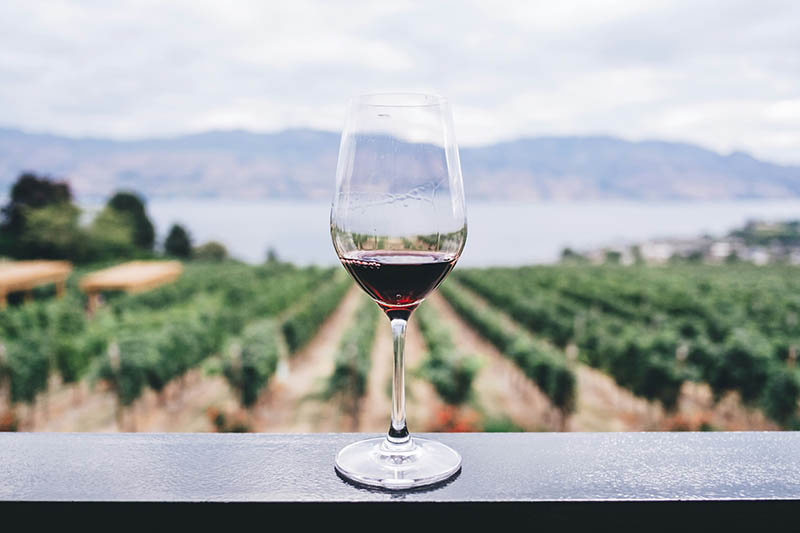
A glass of wine overlooking an orchard - the wellness positioning of non-alcoholic wine

🔍 What Is Driving the Boom?

Fact.MR identifies four converging forces that explain why non-alcoholic wine is outpacing the broader beverage market:

🏋️ Health & Wellness

Growing awareness of alcohol's health risks, combined with sobriety-curious lifestyles and government-backed moderation campaigns, has made zero-proof wines a daily-occasion staple rather than a one-off substitute.

🧪 Premiumization

Advances in flavour-preservation technology now let wineries produce dealcoholized products that retain varietal complexity, aroma, and mouthfeel - opening the door to premium pricing.

🌱 Clean Label & Functional

Low-sugar, additive-free, and organic formulas are a baseline expectation - cited by 72% of Western European stakeholders. Functional ingredients like adaptogens and botanicals are emerging as a key differentiator.

🕌 Cultural & Regulatory

Non-alcoholic wine is gaining cultural traction in regions where alcohol is restricted by religion or law, supported by the liberalization of cross-border beverage trade.
🔬 The Technology Behind Credible Zero-Proof Wines

The single biggest reason non-alcoholic wine has shed its reputation as a compromise is the rapid maturation of dealcoholization technology. Removing ethanol without destroying the volatile aroma compounds that give a wine its character is technically demanding, and the market leaders are investing heavily in equipment that preserves sensory integrity at scale.

Three techniques are doing most of the work:

🌀 Spinning Cone Technology

Aroma compounds are first extracted under low-temperature vacuum, the alcohol is then stripped, and the captured aromas are re-introduced. The result is exceptional flavour fidelity - which is why this method is favoured by premium producers such as Ariel Vineyards.

💨 Vacuum Distillation

Operating under reduced pressure, vacuum distillation evaporates ethanol at temperatures low enough to protect delicate flavour molecules that conventional heat-based distillation would destroy, preserving the wine's varietal identity.

🧫 Reverse Osmosis

A membrane-based process that selectively removes ethanol while retaining colour, tannin structure, and aromatic profile. Increasingly popular for low-alcohol wines that sit between dealcoholized and traditional segments.

AI-supported fermentation tracking and data-driven flavour profiling are emerging as the next layer of innovation - particularly in the United States, where producers are already prioritising R&D pipelines around varietal-specific, low- and zero-calorie zero-proof wines.

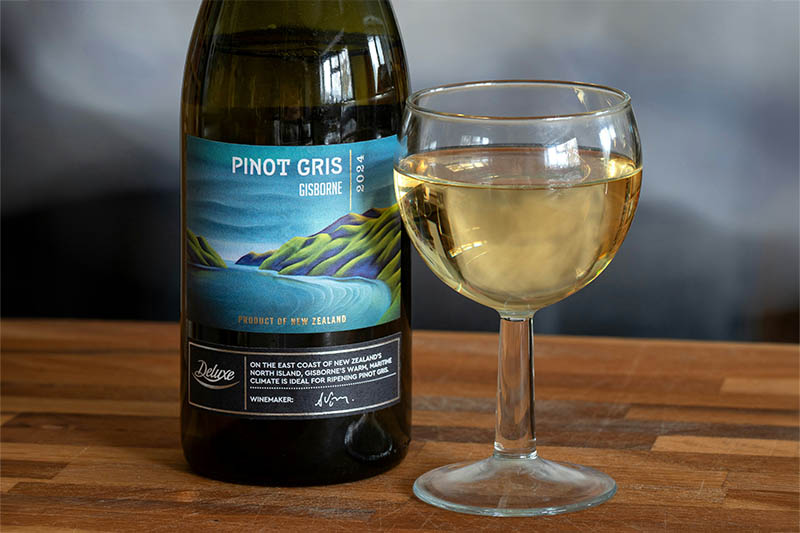
Bottle and glass of white wine on a wooden table - the premium NoLo positioning

📊 Where the Growth Is Concentrated

Fact.MR's segmentation reveals an uneven market - producers, importers, and packaging partners need to position around the fastest-moving sub-segments. By product, alcohol concentration, packaging format, and sales channel, consumers are gravitating to premium, social, convenient, and digitally accessible formats.

Fastest-Growing Sub-Segments (2025–2035)

SegmentLeading Sub-SegmentCAGR
By ProductSparkling (≈59.6%)9.2%
By Alcohol ConcentrationAlcohol-Free9.5%
By PackagingCans (bottles 87%)8.9%
By Sales ChannelOnline Stores10.1%

Source: Fact.MR – Non-Alcoholic Wine Market Report (April 2025).

A Closer Look at the Segments

🥂 Sparkling Takes the Lead

Sparkling non-alcoholic wines are projected to capture roughly 59.6% of the product mix and grow at 9.2% CAGR. Their celebratory association and natural fit with low-calorie positioning make them especially popular with Millennials and Gen Z.

🚫 Alcohol-Free Outpaces Low-Alcohol

Fully alcohol-free products will grow at 9.5% CAGR, ahead of low-alcohol variants. The absence of ethanol broadens religious, cultural, and wellness appeal, making this the most globally scalable sub-segment.

🥫 Cans Disrupt the Bottle

Bottles still dominate with an 87% share, but cans are the fastest-growing format at 8.9% CAGR. Portability, portion control, and recyclability align with urban lifestyles and tightening sustainability regulation.

💻 Online Becomes the Lead Channel

Online sales channels are forecast to grow at 10.1% CAGR, becoming the most profitable distribution route. Doorstep delivery, AI-driven recommendations, and a friendlier regulatory environment are accelerating direct-to-consumer growth.

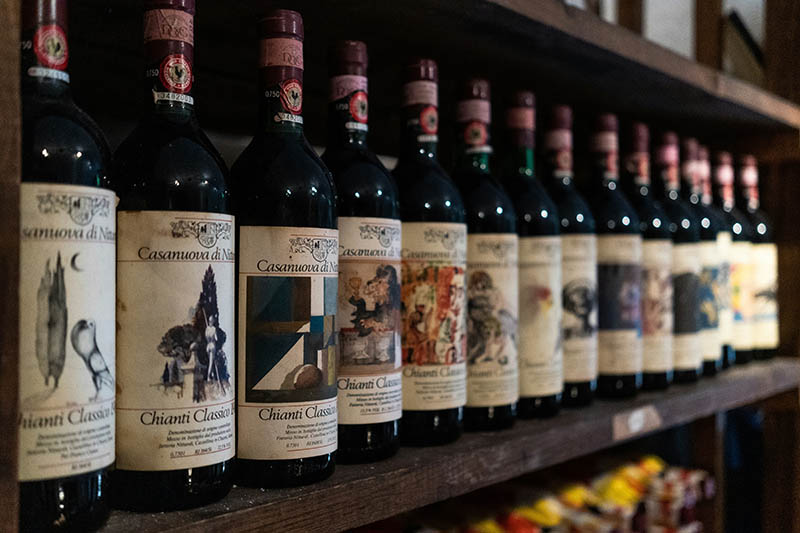
A wall of wine bottles - packaging remains the dominant format with 87% share

🌍 A Region-by-Region View

Growth is not evenly distributed. North America and Western Europe remain the cornerstone industries, but the highest country-level CAGRs are coming from Asia-Pacific markets where the category is still in its early-adoption phase.

Country-Level Forecast Snapshot (2025–2035)

CountryCAGRKey Growth Driver
China7.1%Rising middle class, livestream commerce, herbal flavour innovation
India6.8%Urban Millennials/Gen Z, religious abstention, influencer marketing
South Korea6.4%Wellness culture, AI personalization, premium department-store retail
Australia–NZ6.2%Public-health storytelling, sustainable packaging, cross-border e-commerce
Germany6.1%Beer moderation, biodynamic viticulture, low-sugar clean-label formulas
Japan5.9%Ageing demographics, umami-spectrum innovation, premium gift packaging
United Kingdom5.6%Health revolution, restaurant/pub adoption, online tasting subscriptions
Italy5.5%Aperitivo culture, heritage grapes, boutique producers in urban centres
France5.4%Conscious consumption, terroir-style low/no-alcohol expressions
United States5.2%Premiumization, heritage branding, organic certification, DTC growth

Source: Fact.MR – Non-Alcoholic Wine Market Report (April 2025).

🏆 The Competitive Landscape

The market is moderately fragmented. Global beverage majors with deep distribution sit alongside specialist brands building category leadership through premium positioning. Fact.MR estimates that five players account for roughly 60–70% of the category in 2025.

Ariel Vineyards (20–25%)

Category leader in North America and Europe, built on proprietary spinning cone technology and premium branding.

Fre / Sutter Home (15–20%)

Mid-market leader expanding aggressively in Asia-Pacific via supermarket and online channels.

Pierre Zéro / Pernod Ricard (10–15%)

Premium and sparkling specialist focused on celebratory occasions and luxury hospitality across Europe.

Lussory (8–12%)

Clean-label, organic, sulfite-free positioning resonating with wellness-conscious shoppers.

Eisberg (7–10%)

Mass-market European leader using discount retail and private-label partnerships.

Töst (5–8%)

Trend-led non-alcoholic sparkling brand built through influencer partnerships and RTD presence.

Other notable players include Pierre Chavin, Treasury Wine Estates, Freixenet, Torres, Mionetto, Carl Jung Wines, Leitz, Natureo, Vintense, Noughty and specialist start-ups such as Better Rhodes, Kally and Zero Edmus.

💡 What This Means for Brands & Packaging Partners

For producers, importers, and packaging suppliers, the Fact.MR forecast translates into a clear set of priorities for the next 36 months:

1. Build a Premium-Ready NoLo Portfolio

Stakeholders cite taste authenticity (78%) and varietal diversity (65%) as top priorities. Premium bottle design, embossing, and capsule quality must signal that the contents are a serious wine.

2. Lead with Sustainable Packaging

Lightweight glass, recycled materials, and plant-based closures are now required to compete in Western Europe, Australia, and the upper end of the North American market.

3. Diversify Formats

Bottles still dominate at 87%, but cans (8.9% CAGR), single-serve formats, and gift packaging are the fastest-growing categories. Modern NoLo brands need at least two formats.

4. Localize for Regulation

Labelling rules vary widely - 0.5% ABV thresholds in the EU/USA/UK; HACCP in South Korea; INAO origin claims in France. Packaging artwork and closure specs must flex by market.

The strategic message is unambiguous: brands that scale clean-label, compliant, premium-feeling NoLo wines will define the next decade.

Packaging the Next Generation of Wine

From premium glass and sustainable closures to printing and bottling solutions optimised for non-alcoholic and low-alcohol wines, the Elipack team helps producers translate the NoLo opportunity into shelf-ready reality.

info@elipack.com  |  +357 25020333

www.elipack.com

Sources: Fact.MR – Non-Alcoholic Wine Market Report (April 2025) · WHO · OECD

Share this post


RELATED

Posts